

If you have just bought your first bag of fresh coffee beans and want to do them justice, you are in the right place. There are several straightforward ways to brew a delicious cup at home without needing a chemistry degree or a counter full of gadgets. This guide covers three accessible methods: French press, pourover with a V60, and Aeropress. Each one produces a different style of coffee, so you can choose the one that suits your taste and your morning routine. We will keep the jargon to a minimum and focus on what matters: fresh beans, the right grind, and a little patience.
Why Fresh Roasted Beans Matter Most
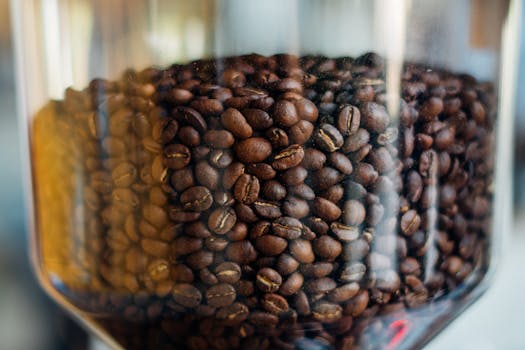
The biggest difference you can make to your coffee is starting with beans that were roasted recently. Coffee begins to lose its flavour and aroma soon after roasting, so beans that have sat on a shelf for months will never taste as bright or complex as freshly roasted ones. At BE AR Coffee, every batch is roasted in small quantities and shipped soon after, so what lands on your doorstep is still full of life. Grinding the beans just before you brew is the next critical step. Pre-ground coffee loses its volatile oils within minutes, leaving you with a flat, one-dimensional cup. A simple hand grinder or electric burr grinder lets you grind only what you need, when you need it.
Essential Gear to Get You Started
You do not need a lot of equipment to brew great coffee, but a few basic tools will help you get consistent results. A kitchen scale is the most important item because it lets you measure your coffee and water accurately. Guessing with scoops leads to inconsistent cups. A grinder, as mentioned, is essential for freshness. A kettle is necessary for heating water, and while a standard kettle works fine, a gooseneck kettle gives you more control when pouring for pourover methods. Finally, you need a brewing vessel, which could be a French press, a V60 cone, an Aeropress, or any other device that suits your style. That is it. With these four items you can produce cafe-quality coffee at home.
Water Temperature and Grind Size
Getting the Water Temperature Right
Water that is too hot can scorch the coffee and make it taste bitter, while water that is too cool will under-extract the grounds and leave you with a sour, weak cup. The ideal range is between 195°F and 205°F, which is roughly 90°C to 96°C. If you do not have a thermometer, a simple trick is to let your kettle sit for about thirty seconds after it has boiled before you pour. This brings the temperature down into the right zone and gives you a more forgiving brew.
Grind Size at a Glance
Each brewing method calls for a different grind size because the water spends a different amount of time in contact with the coffee. Getting the grind right helps you extract the best flavours without introducing bitterness or sourness. Here is a quick reference for the methods covered in this guide and a couple of others you might encounter:
| Brew Method | Grind Size | Texture Comparison |
|---|---|---|
| French Press | Coarse | Like sea salt |
| Pourover (V60) | Finer | Like table salt |
| Aeropress | Fine to medium | Between table salt and sand |
| Chemex (larger brewer) | Medium-coarse | Like kosher salt |
If your coffee tastes bitter, your grind might be too fine. If it tastes sour or weak, your grind might be too coarse. Adjust in small steps and take notes until you find the sweet spot for your chosen method.
Grind Just Before You Brew
Once you have the right grind size, the next habit to adopt is grinding immediately before brewing. Even whole beans lose freshness over time, but ground coffee loses it much faster. By grinding only what you need for each brew, you preserve the delicate oils and aromatic compounds that give coffee its character. This single change will lift the quality of your coffee more than any equipment upgrade.
Three Beginner-Friendly Brew Methods
French Press
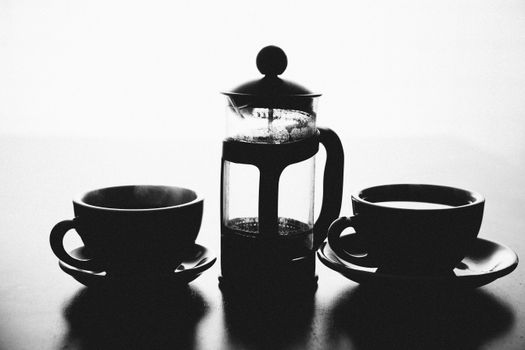
The French press is one of the most forgiving ways to brew coffee, which makes it a great starting point for beginners. It is ranked among the top home brewing methods, praised for producing a full-bodied cup with a rich mouthfeel. Because the grounds stay in contact with the water throughout the brew and no paper filter is used, more of the coffee's natural oils end up in your cup. The result is a robust, slightly heavier texture that many coffee drinkers love. One thing to be aware of is that a small amount of fine sediment may settle at the bottom of your cup. That is entirely normal and part of the French press experience.
Pourover with a V60
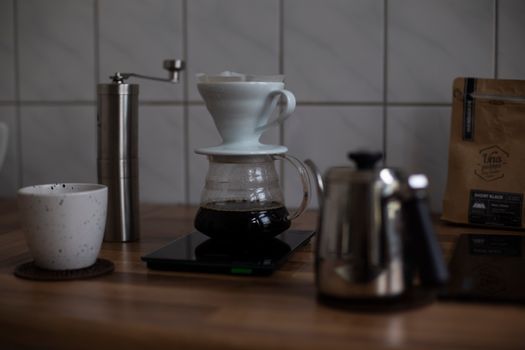
Pourover brewing, particularly with a V60 cone, is widely regarded as one of the best ways to make coffee at home. It produces a clean, sweet cup that lets the subtle flavours of the bean shine through without any sediment. The method involves placing a paper filter in the cone, adding your ground coffee, and pouring hot water over it in a slow, controlled manner. It requires a little more attention than the French press, but the clarity of flavour is well worth the effort. For those who want an even more forgiving pourover experience, the Hario Switch combines immersion and pourover in one device and is known for being very approachable for beginners.
Aeropress
The Aeropress is a compact and versatile brewer that is popular with travellers and home brewers alike. It uses air pressure to push hot water through the coffee grounds, resulting in a clean, full-flavoured cup without any grit. It is praised for its portability and for being forgiving with grind size and brew time, which makes it a solid choice if you are still dialling in your technique. The Aeropress also brews quickly, so it is ideal for busy mornings when you want a quality cup without a long wait. If you have ever been put off by the sediment in a French press, the Aeropress offers a cleaner alternative while still delivering plenty of flavour.
Choosing the Right Coffee for Your Method
One of the best things about home brewing is that you can use any coffee with any method. The choice comes down to your personal taste. Some beans are roasted to highlight bright, fruity notes, while others are blended for a smooth, balanced profile. At BE AR Coffee, the house blend is designed to be approachable and satisfying, whether you brew it in a French press or as a pourover. For those who enjoy a deeper, earthier flavour, the single-origin Sumatran offers a distinctive character that stands up well to the fuller body of a French press. If you prefer to avoid caffeine, the decaf options including the BE.AR Decaf Blend and single-origin decaf choices such as the Peruvian Swiss water decaf and Honduran organic decaf are roasted with the same care as the regular beans. Trying different beans with the same brew method is a simple way to explore your preferences and learn what you enjoy most.
A Subscription Can Help You Learn
One of the easiest ways to discover new coffees and refine your brewing skills is to sign up for a subscription. A regular delivery of freshly roasted beans means you always have something good to brew, and it removes the need to remember to reorder. At BE AR Coffee, you can choose from the house blend, single-origin Sumatran, or decaf options, and the beans are roasted to order and shipped directly to your door. The subscription model also lets you explore different origins and roast profiles over time, which is a natural way to develop your palate and learn what you like.
Try Before You Buy with a Free Sample
If you are not ready to commit to a full bag of beans, you can request a free 50 g sample of BE AR Coffee for just the cost of shipping. That is enough for several drinks, whether you brew with a French press, V60, or Aeropress. It gives you a chance to taste the freshness and quality of micro-batch roasted coffee before you decide on a larger purchase. There is no pressure, no obligation, just a simple way to see what freshly roasted coffee can do for your morning routine.
Frequently Asked Questions
What is the best coffee brewing method for a beginner?
There is no single answer because it depends on what kind of coffee you enjoy. The French press is very forgiving and produces a full-bodied cup. Pourover with a V60 gives a clean, sweet result but requires a little more attention. The Aeropress is portable, fast, and forgiving with grind size. Try one method and see how it feels before experimenting with the others.
Do I need to buy special coffee for pourover?
Any coffee can be used for pourover brewing. The method works well with a wide range of beans and roast levels. If you want to taste the more subtle flavour notes in a single-origin coffee, pourover is a great way to bring them out. But your favourite blend will also produce a delicious cup.
How do I know if my grind size is correct?
Watch how the water flows through the coffee. If it passes through too quickly and the coffee tastes weak or sour, your grind is probably too coarse. If it takes a long time and the coffee tastes bitter, your grind is likely too fine. Adjust in small steps and keep notes until you find what works for your method.
Why does my coffee taste bitter?
Bitterness is usually caused by over-extraction. This can happen if your water is too hot, your grind is too fine, or your brew time is too long. Try using slightly cooler water, a coarser grind, or a shorter brew time. Changing one variable at a time will help you identify the cause.
Can I use pre-ground coffee for these methods?
You can, but the flavour will not be as fresh as grinding your own beans just before brewing. Pre-ground coffee loses its aromatic compounds quickly. If you are using pre-ground coffee, try to use it within a few days and store it in an airtight container away from light and heat. For the best results, a simple grinder is a worthwhile investment.
Getting started with home coffee brewing is about small, consistent steps. Pick one method, use fresh beans, grind them just before you brew, and pay attention to your water temperature and grind size. If you would like to try a free coffee sample before committing to a full bag, BE AR Coffee offers a free 50 g sample for the cost of shipping. It is a simple way to taste the difference that freshly roasted, micro-batch coffee can make in your everyday cup.
